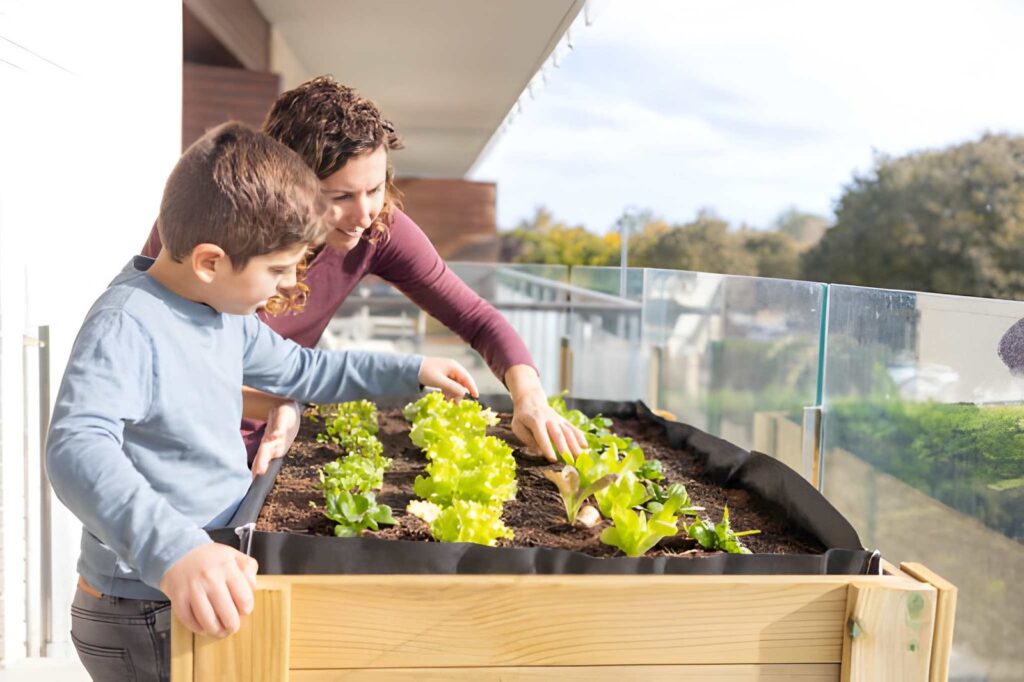
Container Gardening for Urban Homes
Urban living often means limited outdoor space, but that does not mean you have to give up the dream of growing plants. Container gardening for urban homes is one of the easiest and most flexible ways to enjoy fresh herbs, colorful flowers, leafy greens, Ga6789.com and even vegetables in apartments, balconies, rooftops, patios, and small courtyards. With the right containers, soil, plants, and care routine, anyone can create a thriving green space in the city.
What Is Container Gardening?
Container gardening is the practice of growing plants in pots, planters, tubs , baskets, or other movable containers instead of planting directly in the ground. It is ideal for urban homes because it works well in small spaces and can be adapted to different light conditions, design styles, and gardening goals.
Whether you live in a high-rise apartment or a townhouse with a tiny patio, container gardening allows you to grow plants almost anywhere. You can place containers on balconies, windowsills, stairways, decks, or rooftop gardens. This makes it a practical solution for city dwellers who want to enjoy nature without needing a large backyard.
Benefits of Container Gardening for Urban Homes
Container gardening offers many benefits beyond simply making your home look beautiful. One of the biggest advantages is space efficiency. Even a narrow balcony can hold several pots of herbs, flowers, or compact vegetables.
Another benefit is flexibility. Since containers are movable, you can rearrange your garden whenever needed. If a plant needs more sunlight, you can move it closer to a window or a brighter part of the balcony. If the weather becomes too harsh, smaller pots can be brought indoors for protection.
Container gardening also gives you better control over soil quality. In urban areas, ground soil may be poor, compacted, or contaminated. By using a high-quality potting mix, you can create the ideal growing environment for your plants. This helps improve plant health and productivity.
In addition, container gardens can improve air quality, reduce stress, and create a calming atmosphere. Growing herbs and vegetables at home can also support a healthier lifestyle and reduce the need for store-bought produce.
Best Plants for Urban Container Gardens
Choosing the right plants is essential for successful container gardening. Some plants grow better in pots than others, especially in small urban spaces.
Herbs
Herbs are among the best choices for container gardens. Basil, mint, parsley, cilantro, rosemary, thyme, and chives grow well in pots and are perfect for cooking. Many herbs require only moderate space and can be grown on a sunny windowsill or balcony.
Vegetables
Many vegetables can thrive in containers if they receive enough sunlight. Tomatoes, lettuce, spinach, peppers, radishes, carrots, and green onions are excellent options. Choose compact or dwarf varieties when possible, as they are better suited for small spaces.
Flowers
Flowers add color and charm to urban homes. Petunias, marigolds, geraniums, pansies, begonias, and lavender are popular choices for containers. They can brighten balconies, window boxes, and entryways while attracting pollinators like bees and butterflies.
Indoor Plants
If your home has limited outdoor space, indoor container gardening is a great alternative. Snake plants, pothos, peace lilies, spider plants, and succulents are low-maintenance options that do well indoors.
Choosing the Right Containers
The right container can make a big difference in your gardening success. Containers come in many materials, including plastic, terracotta, ceramic, metal, wood, and fabric. Each type has its advantages.
Plastic pots are lightweight, affordable, and easy to move. Terracotta pots are attractive and breathable but dry out faster. Fabric grow bags provide excellent drainage and air circulation, making them useful for vegetables. Wooden planters offer a natural look but may require maintenance over time.
No matter what type of container you choose, drainage is essential. Make sure every pot has drainage holes at the bottom. Without proper drainage, water can collect around the roots and cause root rot. You can also place saucers under pots to catch excess water, especially indoors or on balconies.
The container size should match the plant’s needs. Small herbs can grow in smaller pots, while tomatoes, peppers, and root vegetables need deeper containers. When in doubt, choose a slightly larger pot to give roots more room to grow.
Using the Best Soil for Container Gardening
Garden soil is usually too heavy for containers. It can become compacted, preventing roots from getting enough air and water. Instead, use a high-quality potting mix designed for container gardening.
A good potting mix is lightweight, well-draining, and rich in organic matter. Many mixes contain peat moss, coconut coir, perlite, vermiculite, and compost. These ingredients help retain moisture while allowing excess water to drain away.
For edible plants, consider using an organic potting mix. You can also add compost or slow-release fertilizer to provide nutrients throughout the growing season.
Sunlight and Watering Tips
Most vegetables, herbs, and flowering plants need at least six hours of sunlight each day. Before starting your container garden, observe your space to see how much sun it receives. South-facing balconies and windows usually get the most light, while north-facing areas may be better for shade-tolerant plants.
Watering is one of the most important parts of container gardening. Plants in pots dry out faster than plants in the ground, especially during hot weather. Check the soil regularly by touching the top inch. If it feels dry, it is time to water.
Water deeply until excess water drains from the bottom of the pot. Avoid watering too lightly, as this may not reach the roots. At the same time, do not let plants sit in standing water.
Small-Space Design Ideas
Container gardening for urban homes can be both practical and stylish. Use vertical gardening techniques to save space. Wall planters, hanging baskets, railing planters, and tiered plant stands allow you to grow more plants without taking up much floor area.
Group containers of different heights and colors to create visual interest. You can mix edible and ornamental plants for a beautiful and useful garden. For example, pair basil with marigolds, or grow lettuce alongside colorful pansies.
If privacy is a concern, use tall plants such as bamboo, ornamental grasses, or climbing vines in containers to create a natural screen.
Common Container Gardening Mistakes to Avoid
One common mistake is choosing pots without drainage holes. Another is overwatering, which can lead to root disease. Using the wrong soil, overcrowding plants, and ignoring sunlight requirements can also cause problems.
To keep your garden healthy, inspect plants regularly for pests, yellow leaves, or signs of stress. Remove dead flowers and leaves, prune when needed, and feed plants according to their needs.
Final Thoughts
Container gardening for urban homes is a simple and rewarding way to bring nature into city living. With limited space, the right containers, quality soil, and suitable plants, you can create a productive and beautiful garden almost anywhere. Whether you want fresh herbs for cooking, vegetables for your kitchen, or flowers to brighten your balcony, container gardening offers endless possibilities Nạp tiền Ga6789 for urban homes.