The Role of Education in Sustainability
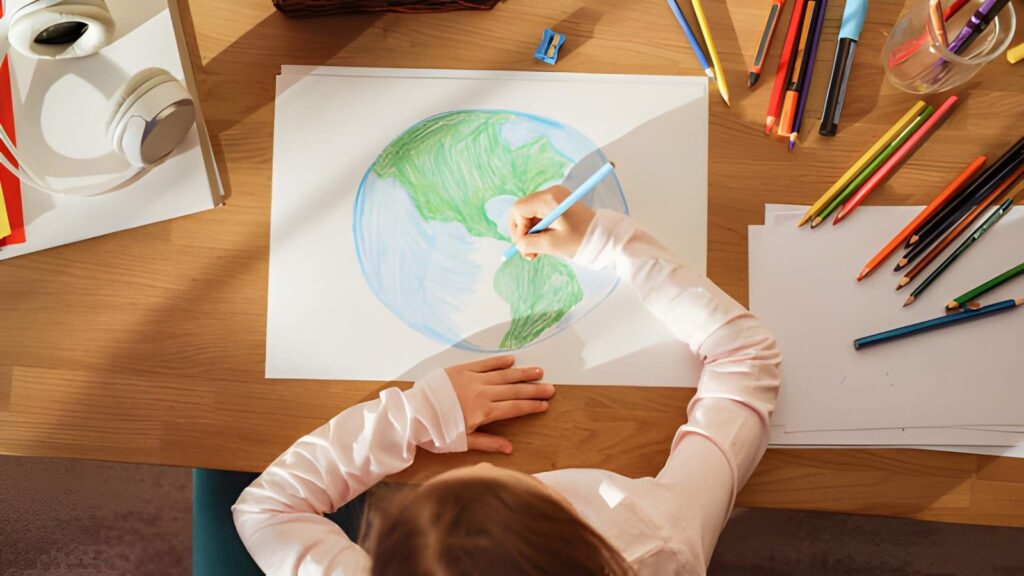
Building a sustainable future requires more than new technology and environmental policies. It also requires people who understand why sustainability matters and know how to turn good ideas into meaningful action. This is where education plays a vital role. By teaching people about the environment, responsible resource use, and long-term thinking, education can help create communities that are better prepared to protect the planet.
Sustainability is not simply about preserving nature. It involves finding a balance between environmental protection, economic development, and human well-being. Education helps people understand these connections and recognize how their choices can influence the future.
Education Creates Environmental Awareness
One of the first steps toward sustainability is awareness. People cannot easily protect something they do not understand.
Education introduces learners to important environmental topics such as climate, biodiversity, pollution, energy, water, and natural resources. It helps students understand that the environment is connected to everyday life.
For example, learning about water conservation can encourage students to think about how much water they use at home. Understanding waste management may inspire them to reduce unnecessary consumption and recycle when possible.
These lessons can turn abstract environmental issues into practical ideas that people can apply in their daily lives.
Schools Build Sustainable Habits
Schools have a unique opportunity to influence young people during important stages of development. The habits students develop early in life can often stay with them as they grow older.
Simple activities such as recycling programs, tree planting, school gardens, and energy-saving campaigns can make sustainability a practical experience rather than just a classroom topic.
When students participate directly, they can see how small actions create visible results. They learn that sustainability is not only something discussed in books but something they can practice every day.
Education Encourages Critical Thinking
Environmental challenges are often complex. There may be different opinions about solutions, and decisions can involve economic, social, and environmental considerations.
Education helps people develop critical-thinking skills that allow them to examine these issues carefully. Instead of accepting every claim immediately, learners can ask questions, compare information, and consider evidence.
This ability is increasingly important in a world filled with information. Responsible environmental decisions require people who can distinguish reliable knowledge from misleading or incomplete information.
Learning Supports Responsible Consumption
Modern lifestyles often involve high levels of consumption. Education can help people understand the consequences of purchasing, using, and discarding products.
Students can learn about concepts such as reducing waste, reusing materials, repairing products, and recycling. They can also explore how products are made and how resources move through supply chains.
This knowledge encourages more thoughtful choices. People may begin asking whether they really need something, how long it will last, and what happens to it when it is no longer useful.
Education does not demand perfection. Instead, it helps people become more conscious consumers.
Education Prepares Future Professionals
Sustainability will influence almost every career in the future. Engineers may design energy-efficient buildings, farmers may use advanced methods to conserve water, and business leaders may develop more responsible production systems.
Education can prepare students to think about sustainability within their chosen fields. A future architect can learn about sustainable design, while a business student can explore responsible supply chains and ethical practices.
By integrating sustainability into different areas of education, institutions can prepare graduates to contribute to positive change wherever they work.
Universities Can Drive Innovation
Higher education and research institutions play an important role in developing sustainable solutions. Scientists, engineers, researchers, and students can explore new approaches to environmental and social challenges.
Universities can study renewable energy, sustainable agriculture, clean transportation, waste reduction, and many other important topics. Their research can contribute to technologies and policies that support long-term progress.
Education and innovation therefore work together. Knowledge creates the foundation for new ideas, while research turns those ideas into practical solutions.
Communities Benefit From Shared Knowledge
Education does not happen only inside schools and universities. Communities can also become important centers of learning.
Workshops, public awareness campaigns, libraries, online resources, and community projects can help people learn about sustainable practices.
When knowledge is shared, individuals can learn from one another. Someone who has discovered an effective way to reduce household waste may inspire neighbors to do the same. A local farmer may share water-saving techniques with others.
Shared knowledge can create a culture where sustainability becomes a collective responsibility.
Lifelong Learning Supports Long-Term Change
Sustainability is an ongoing challenge, and new solutions will continue to develop. This makes lifelong learning essential.
People may need to update their knowledge as technology changes or new environmental challenges emerge. Professionals can learn new skills, while communities can adapt their practices based on new information.
A commitment to lifelong learning ensures that sustainability remains an evolving process rather than a one-time goal.
Conclusion
Education is one of the strongest foundations for a sustainable future. It creates awareness, builds responsible habits, develops critical thinking, supports innovation, and prepares people to make informed decisions.
The most powerful lesson is that sustainability begins with understanding. Once people understand how their actions affect the environment and future generations, they are better equipped to make responsible choices.
A sustainable future will not be created by technology alone. It will be created by informed people who know how to use knowledge wisely and work together toward common goals.
By making sustainability an important part of education at every level, we can prepare future generations to protect resources, solve complex challenges, and build communities where people and the planet can thrive together.