Author: admin

  • How Research Creates Better Solutions

    How Research Creates Better Solutions

    Every day, people face problems that require thoughtful and effective solutions. Some challenges are simple, while others involve complex issues related to health, technology, education, business, and the environment. Finding the right answer is rarely a matter of guessing. In many cases, the best solutions come from careful research.

    Research helps people understand problems before attempting to solve them. It provides reliable information, reveals patterns, challenges assumptions, and creates opportunities for innovation. Whether conducted by scientists, businesses, students, or communities, research provides the foundation for making better decisions and developing solutions that address real needs.

    Research Helps Identify the Real Problem

    One of the most important benefits of research is that it helps people understand what they are actually trying to solve.

    Sometimes, the problem people notice is only a symptom of a deeper issue.

    For example, if a business experiences declining customer satisfaction, simply offering discounts may not solve the problem. Research might reveal that customers are unhappy because of poor service, complicated processes, or unclear communication.

    By investigating the underlying causes, organizations can focus on solutions that address the real issue.

    Reliable Information Improves Decisions

    Good decisions require good information.

    Research allows people to collect facts, examine evidence, and compare different possibilities before choosing a course of action.

    This reduces the risk of making decisions based only on assumptions or personal opinions.

    In healthcare, research helps professionals understand treatments and risks. In business, it helps organizations understand markets and customer needs.

    In everyday life, research can help individuals make informed choices about education, careers, technology, and many other areas.

    Research Encourages Innovation

    Many new ideas begin with research.

    When people study existing systems, they may discover weaknesses or opportunities for improvement.

    Researchers often ask questions that others have not considered.

    These questions can lead to experiments, inventions, and new approaches.

    Innovation does not always mean creating something completely new.

    Sometimes, it means improving an existing solution so that it becomes more effective, affordable, or accessible.

    Research provides the knowledge needed to make these improvements.

    Understanding People’s Needs

    A solution can only be effective if it addresses the needs of the people it is designed to help.

    Research helps creators understand those needs.

    Surveys, interviews, observations, and feedback can reveal what people actually experience.

    For example, a technology company may believe that customers want more features, while research may show that customers actually want simpler and easier-to-use products.

    Listening to users can prevent organizations from investing time and resources in solutions that do not solve meaningful problems.

    Testing Ideas Before Making Big Decisions

    Research allows people to test ideas before fully committing to them.

    A company might conduct a small trial before launching a product nationwide.

    A scientist may run experiments to determine whether a theory is supported by evidence.

    A community organization might test a new program with a small group before expanding it.

    These approaches reduce risk.

    If the initial results are not successful, researchers can make adjustments before investing more resources.

    Research Helps Learn From Failure

    Not every research project produces the expected results.

    Sometimes an experiment fails, a theory is disproved, or a proposed solution does not work.

    However, these outcomes can still provide valuable information.

    Failure can reveal what needs to change and prevent others from repeating the same mistakes.

    Researchers can use unexpected results to develop new questions and explore alternative approaches.

    In this way, unsuccessful attempts can become important steps toward better solutions.

    Collaboration Strengthens Research

    Complex problems often require knowledge from multiple fields.

    Researchers may work with engineers, designers, healthcare professionals, educators, or community leaders.

    Each person brings a different perspective.

    Collaboration can help identify issues that one group might overlook.

    It can also encourage creative thinking by combining ideas from different areas.

    When research is shared and discussed openly, solutions can become more comprehensive and practical.

    Research Supports Long-Term Progress

    Some problems cannot be solved quickly.

    Environmental challenges, public health issues, and technological questions may require years of research.

    Long-term studies allow researchers to observe changes over time and understand the effects of different approaches.

    This patience can lead to more reliable solutions.

    Quick answers may be useful in certain situations, but complex challenges often require careful investigation and long-term thinking.

    Technology Makes Research More Powerful

    Modern technology has transformed the research process.

    Digital tools allow researchers to collect and analyze large amounts of information more efficiently.

    Advanced software can identify patterns, while online databases make it easier to access existing knowledge.

    These technologies can accelerate discovery and help researchers explore questions that were previously difficult to investigate.

    However, technology is most effective when combined with human judgment.

    Data must still be interpreted carefully, and researchers must consider whether their conclusions are supported by reliable evidence.

    Research Creates Solutions That Can Adapt

    Good research does not always produce a single permanent answer.

    As new information becomes available, solutions may need to change.

    Continuous research allows people to monitor results and make improvements.

    This adaptability is especially important in a rapidly changing world.

    A solution that works well today may need to be updated tomorrow because circumstances, technology, or people’s needs have changed.

    Research keeps the process moving forward.

    Conclusion

    Research creates better solutions by helping people understand problems, gather reliable information, test ideas, and learn from results.

    It reduces uncertainty and provides a stronger foundation for decision-making.

    Whether the goal is to develop a new medicine, improve a business, design better technology, or address a community challenge, research makes solutions more thoughtful and effective.

    The most valuable research does not simply collect information. It asks meaningful questions and uses evidence to guide action.

    It also recognizes that improvement is often a process.

    A solution may begin with an idea, but research helps determine whether that idea actually works.

    Through experimentation, feedback, collaboration, and continuous learning, people can refine their approaches and create better outcomes.

    In the end, research is about more than discovering facts. It is about understanding the world well enough to improve it.

    Every meaningful solution begins with a desire to solve a problem, but the path to a truly effective answer often begins with one important step: taking the time to investigate, ask questions, and learn what the evidence has to say.


  • The Role of Education in Sustainability

    The Role of Education in Sustainability

    Building a sustainable future requires more than new technology and environmental policies. It also requires people who understand why sustainability matters and know how to turn good ideas into meaningful action. This is where education plays a vital role. By teaching people about the environment, responsible  resource use, and long-term thinking, education can help create communities that are better prepared to protect the planet.

    Sustainability is not simply about preserving nature. It involves finding a balance between environmental protection, economic development, and human well-being. Education helps people understand these connections and recognize how their choices can influence the future.

    Education Creates Environmental Awareness

    One of the first steps toward sustainability is awareness. People cannot easily protect something they do not understand.

    Education introduces learners to important environmental topics such as climate, biodiversity, pollution, energy, water, and natural resources. It helps students understand that the environment is connected to everyday life.

    For example, learning about water conservation can encourage students to think about how much water they use at home. Understanding waste management may inspire them to reduce unnecessary consumption and recycle when possible.

    These lessons can turn abstract environmental issues into practical ideas that people can apply in their daily lives.

    Schools Build Sustainable Habits

    Schools have a unique opportunity to influence young people during important stages of development. The habits students develop early in life can often stay with them as they grow older.

    Simple activities such as recycling programs, tree planting, school gardens, and energy-saving campaigns can make sustainability a practical experience rather than just a classroom topic.

    When students participate directly, they can see how small actions create visible results. They learn that sustainability is not only something discussed in books but something they can practice every day.

    Education Encourages Critical Thinking

    Environmental challenges are often complex. There may be different opinions about solutions, and decisions can involve economic, social, and environmental considerations.

    Education helps people develop critical-thinking skills that allow them to examine these issues carefully. Instead of accepting every claim immediately, learners can ask questions, compare information, and consider evidence.

    This ability is increasingly important in a world filled with information. Responsible environmental decisions require people who can distinguish reliable knowledge from misleading or incomplete information.

    Learning Supports Responsible Consumption

    Modern lifestyles often involve high levels of consumption. Education can help people understand the consequences of purchasing, using, and discarding products.

    Students can learn about concepts such as reducing waste, reusing materials, repairing products, and recycling. They can also explore how products are made and how resources move through supply chains.

    This knowledge encourages more thoughtful choices. People may begin asking whether they really need something, how long it will last, and what happens to it when it is no longer useful.

    Education does not demand perfection. Instead, it helps people become more conscious consumers.

    Education Prepares Future Professionals

    Sustainability will influence almost every career in the future. Engineers may design energy-efficient buildings, farmers may use advanced methods to conserve water, and business leaders may develop more responsible production systems.

    Education can prepare students to think about sustainability within their chosen fields. A future architect can learn about sustainable design, while a business student can explore responsible supply chains and ethical practices.

    By integrating sustainability into different areas of education, institutions can prepare graduates to contribute to positive change wherever they work.

    Universities Can Drive Innovation

    Higher education and research institutions play an important role in developing sustainable solutions. Scientists, engineers, researchers, and students can explore new approaches to environmental and social challenges.

    Universities can study renewable energy, sustainable agriculture, clean transportation, waste reduction, and many other important topics. Their research can contribute to technologies and policies that support long-term progress.

    Education and innovation therefore work together. Knowledge creates the foundation for new ideas, while research turns those ideas into practical solutions.

    Communities Benefit From Shared Knowledge

    Education does not happen only inside schools and universities. Communities can also become important centers of learning.

    Workshops, public awareness campaigns, libraries, online resources, and community projects can help people learn about sustainable practices.

    When knowledge is shared, individuals can learn from one another. Someone who has discovered an effective way to reduce household waste may inspire neighbors to do the same. A local farmer may share water-saving techniques with others.

    Shared knowledge can create a culture where sustainability becomes a collective responsibility.

    Lifelong Learning Supports Long-Term Change

    Sustainability is an ongoing challenge, and new solutions will continue to develop. This makes lifelong learning essential.

    People may need to update their knowledge as technology changes or new environmental challenges emerge. Professionals can learn new skills, while communities can adapt their practices based on new information.

    A commitment to lifelong learning ensures that sustainability remains an evolving process rather than a one-time goal.

    Conclusion

    Education is one of the strongest foundations for a sustainable future. It creates awareness, builds responsible habits, develops critical thinking, supports innovation, and prepares people to make informed decisions.

    The most powerful lesson is that sustainability begins with understanding. Once people understand how their actions affect the environment and future generations, they are better equipped to make responsible choices.

    A sustainable future will not be created by technology alone. It will be created by informed people who know how to use knowledge wisely and work together toward common goals.

    By making sustainability an important part of education at every level, we can prepare future generations to protect resources, solve  complex challenges, and build communities where people and the planet can thrive together.

  • Understanding Modern Business Strategies

    Understanding Modern Business Strategies

    In today’s fast-changing world, businesses must do more than simply offer quality products or services to achieve long-term success. They need clear strategies that help them adapt to changing customer expectations, technological advancements, and increasing competition. Modern business strategies focus on innovation, customer satisfaction, operational efficiency, and sustainable growth. Companies that understand and implement these strategies are better equipped to seize opportunities, overcome challenges, and remain competitive in an ever-evolving marketplace. Regardless of industry or business size, having a well-planned strategy provides direction and supports long-term success.

    What Are Modern Business Strategies?

    Modern business strategies are carefully planned approaches that help organizations achieve their goals while adapting to today’s business environment. Unlike traditional strategies that often focused only on sales or production, modern strategies consider customer experience, digital transformation, sustainability, employee development, and continuous improvement.

    A strong business strategy provides a roadmap for decision-making, helping leaders allocate resources effectively and respond quickly to market changes. It ensures that every department works toward shared objectives while maintaining flexibility for future growth.

    Businesses that continuously evaluate and refine their strategies are more likely to stay competitive and resilient.

    The Importance of Customer-Centered Thinking

    One of the defining features of modern business strategy is placing customers at the center of every decision. Understanding customer needs, preferences, and expectations helps businesses develop products and services that deliver real value.

    Companies collect feedback through surveys, reviews, and customer interactions to improve their offerings continually. Personalized experiences, responsive customer service, and convenient purchasing options strengthen customer loyalty and encourage repeat business.

    Organizations that consistently prioritize customer satisfaction often enjoy stronger reputations and higher long-term profitability.

    Embracing Digital Transformation

    Technology has become an essential part of modern business strategies. Digital transformation involves integrating technology into daily operations to improve efficiency, communication, and customer experiences.

    Businesses use cloud computing, automation, data analytics, online collaboration tools, and digital payment systems to streamline operations. These technologies reduce costs, increase productivity, and allow organizations to make faster, data-driven decisions.

    A strong digital presence through websites, social media, and online marketing also helps businesses reach broader audiences and compete in global markets.

    Innovation as a Competitive Advantage

    Innovation is one of the most powerful drivers of business growth. Modern companies encourage creativity by developing new products, improving existing services, and finding better ways to solve customer problems.

    Innovation is not always about groundbreaking inventions. Small improvements in processes, communication, or customer service can significantly enhance overall performance. Businesses that embrace innovation remain adaptable and are better prepared for changing market conditions.

    Encouraging employees to contribute ideas also creates a culture of continuous improvement and long-term success.

    Making Decisions with Data

    Data plays a central role in modern business strategies. Companies collect valuable information about customer behavior, market trends, and business performance through various digital platforms.

    By analyzing this data, organizations can make informed decisions instead of relying on assumptions. Data-driven strategies help businesses identify growth opportunities, optimize marketing campaigns, improve pricing strategies, and manage resources more efficiently.

    Regular performance analysis also enables companies to quickly adjust their strategies when market conditions change.

    Building Strong Teams and Leadership

    Employees are among the most valuable assets of any organization. Successful businesses invest in training, skill development, and employee well-being to create motivated and productive teams.

    Strong leadership provides clear direction, encourages collaboration, and supports innovation. Leaders who communicate openly and recognize employee achievements create positive workplace cultures where people feel valued and inspired to perform their best.

    A motivated workforce contributes directly to higher productivity, improved customer service, and stronger overall business performance.

    Adapting to Market Changes

    The business environment is constantly evolving due to technological advances, economic conditions, and changing consumer preferences. Businesses that resist change often struggle to remain competitive.

    Modern strategies emphasize flexibility and adaptability. Companies regularly review their goals, monitor industry trends, and adjust their plans when necessary. Being proactive rather than reactive allows businesses to identify opportunities before competitors and respond effectively to unexpected challenges.

    Adaptability ensures long-term stability even during periods of uncertainty.

    Focusing on Sustainable Growth

    Modern businesses increasingly recognize the importance of sustainable growth rather than pursuing short-term profits alone. Sustainable strategies balance financial success with responsible environmental practices, ethical decision-making, and social responsibility.

    Businesses that operate responsibly often strengthen customer trust, attract talented employees, and build positive relationships within their communities. Sustainability also supports long-term profitability by reducing waste, improving efficiency, and preparing businesses for future regulatory changes.

    A focus on sustainable growth creates lasting value for both organizations and society.

    Conclusion

    Modern business strategies are essential for achieving long-term success in today’s competitive and rapidly changing world. By focusing on customer satisfaction, embracing digital transformation, encouraging innovation, using data wisely, developing strong leadership, and adapting to market changes, businesses can build resilient organizations prepared for future opportunities . Success is no longer determined solely by the products a company sells but by its ability to evolve, improve, and consistently deliver value. Organizations that adopt modern business strategies position themselves for sustainable growth, stronger customer relationships, and continued success in the years ahead.

  • Container Gardening for Urban Homes

    Container Gardening for Urban Homes

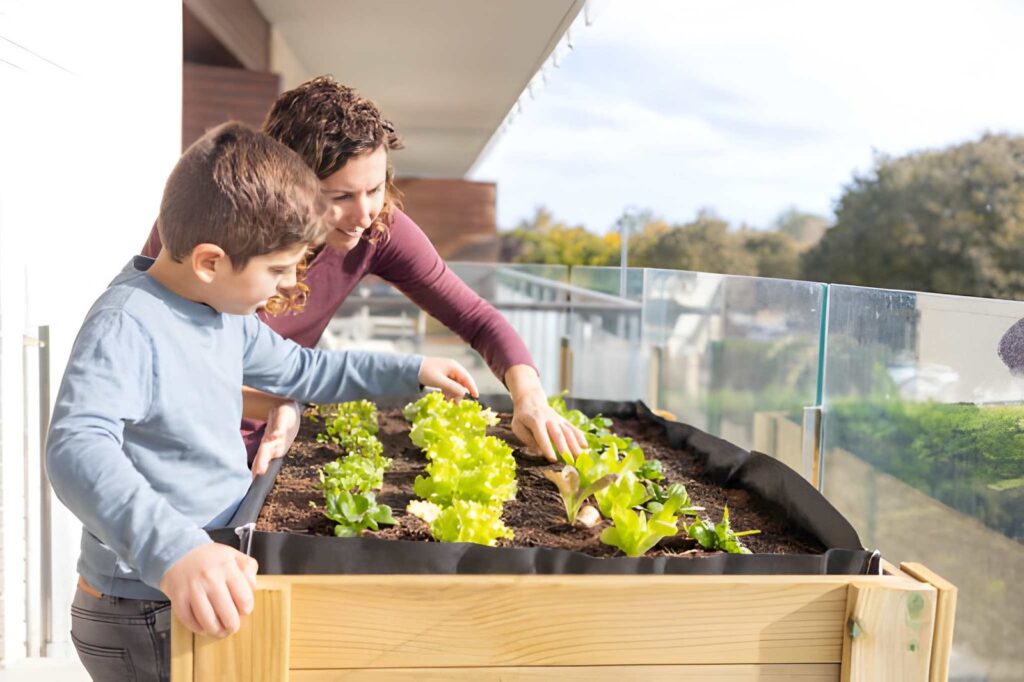
    Urban living often means limited outdoor space, but that does not mean you have to give up the dream of growing plants. Container gardening for urban homes is one of the easiest and most flexible ways to enjoy fresh herbs, colorful flowers, leafy greens,  Ga6789.com and even vegetables in apartments, balconies, rooftops, patios, and small courtyards. With the right containers, soil, plants, and care routine, anyone can create a thriving green space in the city.

    What Is Container Gardening?

    Container gardening is the practice of growing plants in pots, planters, tubs , baskets, or other movable containers instead of planting directly in the ground. It is ideal for urban homes because it works well in small spaces and can be adapted to different light conditions, design styles, and gardening goals.

    Whether you live in a high-rise apartment or a townhouse with a tiny patio, container gardening allows you to grow plants almost anywhere. You can place containers on balconies, windowsills, stairways, decks, or rooftop gardens. This makes it a practical solution for city dwellers who want to enjoy nature without needing a large backyard.

    Benefits of Container Gardening for Urban Homes

    Container gardening offers many benefits beyond simply making your home look beautiful. One of the biggest advantages is space efficiency. Even a narrow balcony can hold several pots of herbs, flowers, or compact vegetables.

    Another benefit is flexibility. Since containers are movable, you can rearrange your garden whenever needed. If a plant needs more sunlight, you can move it closer to a window or a brighter part of the balcony. If the weather becomes too harsh, smaller pots can be brought indoors for protection.

    Container gardening also gives you better control over soil quality. In urban areas, ground soil may be poor, compacted, or contaminated. By using a high-quality potting mix, you can create the ideal growing environment for your plants. This helps improve plant health and productivity.

    In addition, container gardens can improve air quality, reduce stress, and create a calming atmosphere. Growing herbs and vegetables at home can also support a healthier lifestyle and reduce the need for store-bought produce.

    Best Plants for Urban Container Gardens

    Choosing the right plants is essential for successful container gardening. Some plants grow better in pots than others, especially in small urban spaces.

    Herbs

    Herbs are among the best choices for container gardens. Basil, mint, parsley, cilantro, rosemary, thyme, and chives grow well in pots and are perfect for cooking. Many herbs require only moderate space and can be grown on a sunny windowsill or balcony.

    Vegetables

    Many vegetables can thrive in containers if they receive enough sunlight. Tomatoes, lettuce, spinach, peppers, radishes, carrots, and green onions are excellent options. Choose compact or dwarf varieties when possible, as they are better suited for small spaces.

    Flowers

    Flowers add color and charm to urban homes. Petunias, marigolds, geraniums, pansies, begonias, and lavender are popular choices for containers. They can brighten balconies, window boxes, and entryways while attracting pollinators like bees and butterflies.

    Indoor Plants

    If your home has limited outdoor space, indoor container gardening is a great alternative. Snake plants, pothos, peace lilies, spider plants, and succulents are low-maintenance options that do well indoors.

    Choosing the Right Containers

    The right container can make a big difference in your gardening success. Containers come in many materials, including plastic, terracotta, ceramic, metal, wood, and fabric. Each type has its advantages.

    Plastic pots are lightweight, affordable, and easy to move. Terracotta pots are attractive and breathable but dry out faster. Fabric grow bags provide excellent drainage and air circulation, making them useful for vegetables. Wooden planters offer a natural look but may require maintenance over time.

    No matter what type of container you choose, drainage is essential. Make sure every pot has drainage holes at the bottom. Without proper drainage, water can collect around the roots and cause root rot. You can also place saucers under pots to catch excess water, especially indoors or on balconies.

    The container size should match the plant’s needs. Small herbs can grow in smaller pots, while tomatoes, peppers, and root vegetables need deeper containers. When in doubt, choose a slightly larger pot to give roots more room to grow.

    Using the Best Soil for Container Gardening

    Garden soil is usually too heavy for containers. It can become compacted, preventing roots from getting enough air and water. Instead, use a high-quality potting mix designed for container gardening.

    A good potting mix is lightweight, well-draining, and rich in organic matter. Many mixes contain peat moss, coconut coir, perlite, vermiculite, and compost. These ingredients help retain moisture while allowing excess water to drain away.

    For edible plants, consider using an organic potting mix. You can also add compost or slow-release fertilizer to provide nutrients throughout the growing season.

    Sunlight and Watering Tips

    Most vegetables, herbs, and flowering plants need at least six hours of sunlight each day. Before starting your container garden, observe your space to see how much sun it receives. South-facing balconies and windows usually get the most light, while north-facing areas may be better for shade-tolerant plants.

    Watering is one of the most important parts of container gardening. Plants in pots dry out faster than plants in the ground, especially during hot weather. Check the soil regularly by touching the top inch. If it feels dry, it is time to water.

    Water deeply until excess water drains from the bottom of the pot. Avoid watering too lightly, as this may not reach the roots. At the same time, do not let plants sit in standing water.

    Small-Space Design Ideas

    Container gardening for urban homes can be both practical and stylish. Use vertical gardening techniques to save space. Wall planters, hanging baskets, railing planters, and tiered plant stands allow you to grow more plants without taking up much floor area.

    Group containers of different heights and colors to create visual interest. You can mix edible and ornamental plants for a beautiful and useful garden. For example, pair basil with marigolds, or grow lettuce alongside colorful pansies.

    If privacy is a concern, use tall plants such as bamboo, ornamental grasses, or climbing vines in containers to create a natural screen.

    Common Container Gardening Mistakes to Avoid

    One common mistake is choosing pots without drainage holes. Another is overwatering, which can lead to root disease. Using the wrong soil, overcrowding plants, and ignoring sunlight requirements can also cause problems.

    To keep your garden healthy, inspect plants regularly for pests, yellow leaves, or signs of stress. Remove dead flowers and leaves, prune when needed, and feed plants according to their needs.

    Final Thoughts

    Container gardening for urban homes is a simple and rewarding way to bring nature into city living. With limited space, the right containers, quality soil, and suitable plants, you can create a productive and beautiful garden almost anywhere. Whether you want fresh herbs for cooking, vegetables for your kitchen, or flowers to brighten your balcony, container gardening offers endless possibilities  Nạp tiền Ga6789 for urban homes.

  • Hello world!

    Welcome to WordPress. This is your first post. Edit or delete it, then start writing!